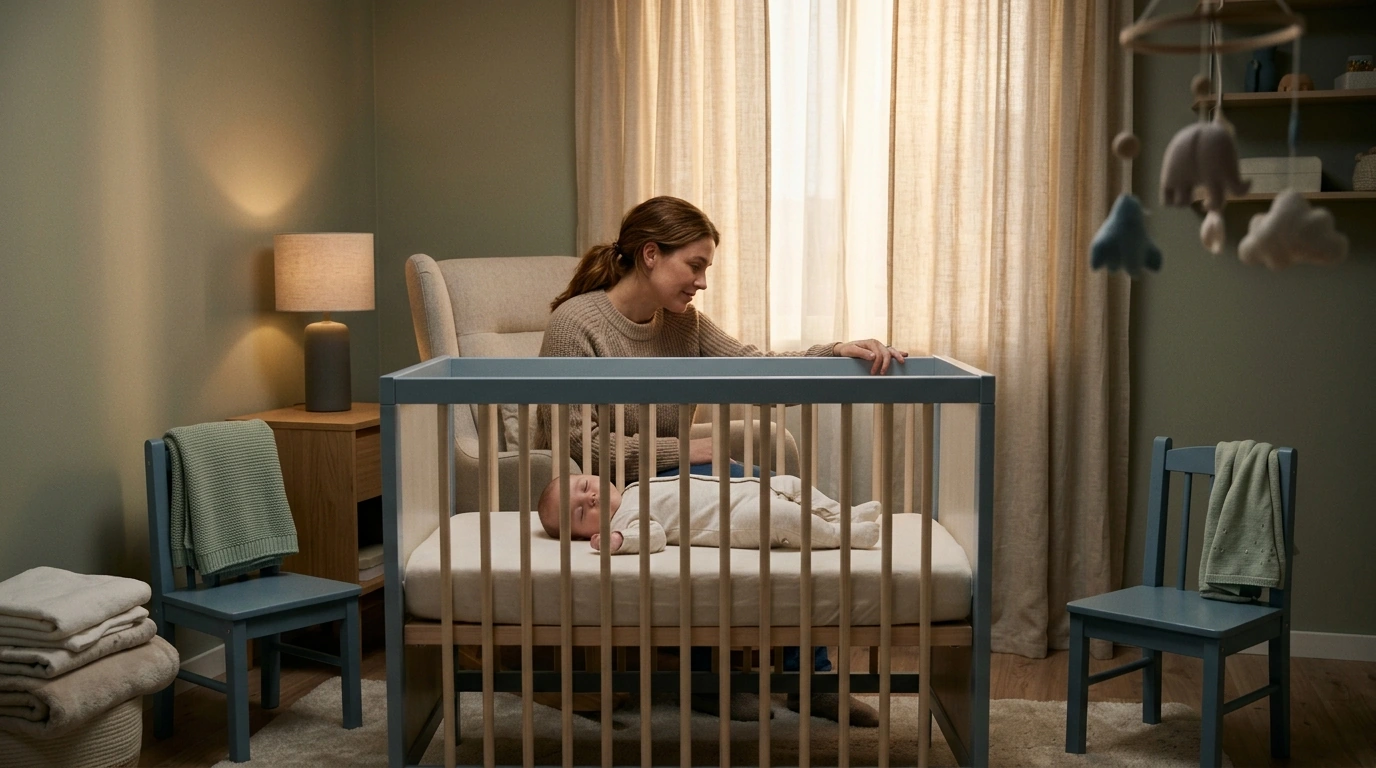
You can start shaping a baby’s sleep schedule from day one, but a true, clock-based schedule usually works best around 8–12 weeks. In the newborn stage, your job is less about rigid timing and more about building predictable cues—light in the morning, dim evenings, feeding and soothing routines, and safe sleep habits. As your baby’s awake windows lengthen and patterns become more consistent, our team recommends gently moving toward set nap and bedtime anchors rather than trying to “force” a full schedule too early.
Newborn sleep is irregular, with short cycles and frequent feeds. Start with simple, repeatable steps: a calm pre-sleep routine (diaper, swaddle if appropriate, feed, cuddle), daytime exposure to natural light, and quiet/dark at night. If you’re shopping for sleep essentials, choose breathable sleepwear, a firm flat crib or bassinet mattress, and a wearable blanket that matches your baby’s age and size—those choices support safer, more consistent sleep from the start.
This is often the sweet spot for introducing a loose schedule. Pick one or two daily anchors—like a consistent morning wake time and a predictable bedtime routine—and let naps fall where they naturally fit. Aim to put your baby down drowsy but calm when possible, and keep sleep spaces consistent: same room setup, same sound level, same soothing pattern.
Many babies can handle a clearer nap structure now, especially if you protect wake windows and avoid overtired stretches. Keep bedtime steady, adjust nap timing in small increments (10–15 minutes), and prioritize comfort without creating hard-to-break sleep crutches. If you need an age-by-age roadmap, we break down routines and typical nap patterns here: baby sleep schedule by age (newborn to toddler).
Look for repeatable sleepy cues, slightly longer stretches at night, and naps that start to cluster at similar times. If every day feels wildly different, keep it flexible and focus on consistent cues and a safe sleep setup.
Keep it short and repeatable: feed, diaper, pajamas, a brief calming activity, then into the sleep space. Doing the same steps in the same order helps your baby learn what comes next.







Leave a comment