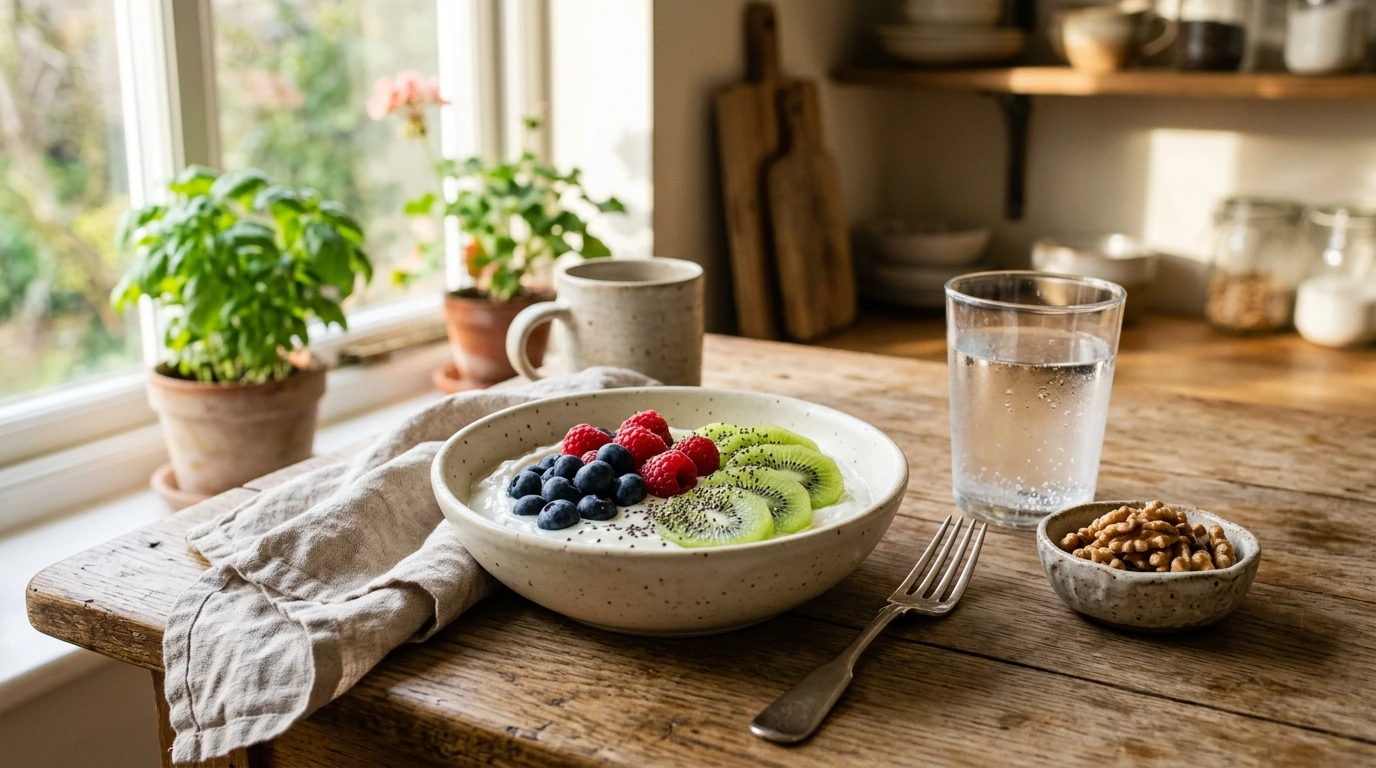
A brighter complexion starts at the table. When you’re well-hydrated, your meals are steadier (so your energy doesn’t crash), and your plate consistently includes skin-supportive nutrients, dullness tends to look less obvious and your tone can appear more even. Our team built a simple, repeatable framework you can actually keep up with—because the most “brightening” routine is the one you’ll do on regular weekdays, not just on perfect weeks.
If you want a structured, plug-and-play version of this approach, we recommend Bright Bites: Nourish Your Complexion Naturally – Glow Guide to Foods That Brighten Complexion, Skin Nutrition & AI Beauty Planning to turn these ideas into shopping lists and a meal rhythm you can repeat.
A “brighter” look is usually the result of a few simple things happening together: better hydration, a more even-looking tone, and smoother surface texture. It’s rarely one miracle ingredient or one perfect smoothie.
Dullness often tracks with dehydration, low intake of colorful produce, heavy reliance on ultra-processed foods, and inconsistent sleep/stress patterns. Food helps by supplying the building blocks—antioxidants that support defenses against oxidative stress, essential fats for barrier comfort, protein for structure, and key micronutrients involved in normal renewal. For a deeper primer on antioxidants and why they matter, you can reference Harvard T.H. Chan School of Public Health’s overview of antioxidants.
Our approach is food-forward and designed to complement topical skincare—think: daily hydration, produce at every meal, and balanced macros to help you avoid energy swings that can make you look (and feel) run down.
Use this as your default template:
Because it’s a template, it’s also easy to turn into a weekly plan quickly—repeat 3–5 core meals you genuinely like, then rotate the produce colors so your nutrient coverage stays consistent. If you want the step-by-step planning system (including AI-friendly meal templates), our team put it into Bright Bites.
You don’t need a complicated supplement stack to support a healthy-looking glow. Start with food sources that deliver a reliable mix of vitamins, minerals, essential fats, and plant compounds.
| Focus nutrient | Why it matters for complexion | Easy food picks | Quick add-on idea |
|---|---|---|---|
| Vitamin C | Supports normal collagen formation and antioxidant defenses | Kiwi, oranges, strawberries, bell peppers | Add sliced kiwi to yogurt or oatmeal |
| Carotenoids (pro–vitamin A) | Supports skin renewal and helps the look of tone and smoothness | Sweet potato, carrots, spinach, kale | Roast a tray of sweet potato cubes for 3–4 days |
| Omega-3 fats | Supports barrier comfort and dryness-prone skin | Salmon, sardines, chia, flax, walnuts | Stir chia into overnight oats |
| Vitamin E | Helps protect cells from oxidative stress | Almonds, sunflower seeds, avocado, olive oil | Top salads with sunflower seeds + olive oil |
| Zinc | Supports normal skin function and repair processes | Pumpkin seeds, chickpeas, oysters, eggs | Blend hummus; pair with crunchy veggies |
| Polyphenols | Antioxidant support linked to healthy-looking skin | Berries, green tea, cocoa, herbs/spices | Swap dessert for berries + cocoa dusting |
Vitamin C is a standout for bright-looking skin because it supports normal collagen formation and antioxidant defenses. If you want the details on vitamin C intake and sources, the NIH Office of Dietary Supplements Vitamin C Fact Sheet is a solid reference. And for a balanced perspective on how diet fits into skin health overall, the American Academy of Dermatology’s guidance on diet and skin is worth a read.
This is the rhythm our team uses when we want “good enough” consistency without living in the kitchen.
To keep results practical, include your dietary preferences, budget range, and what equipment you actually use (microwave, air fryer, stovetop). Our Bright Bites guide is built around this same “set the rules, repeat the template” idea.
If you’re also refreshing your overall look alongside your glow habits, our team also keeps easy style resources on hand—like Sneakers at Work, Styled Right – A Modern Style Guide on How to Style Sneakers for Work Outfits—so your routine feels cohesive from food to daily confidence.
Small improvements can show up within a few weeks, but more noticeable changes usually track with consistent habits over about 6–12 weeks. Hydration, sleep, and steady meals tend to make the biggest difference over time.
Quick wins usually come from hydration plus vitamin C–rich produce, colorful vegetables, and omega-3 fats. Berries, citrus, bell peppers, leafy greens, and salmon or chia are simple options you can add right away.
Yes—when you use it for structure and consistency. If you lock in key nutrients, prep time, and budget, AI can make it easier to follow through without overcomplicating your meals.







Leave a comment