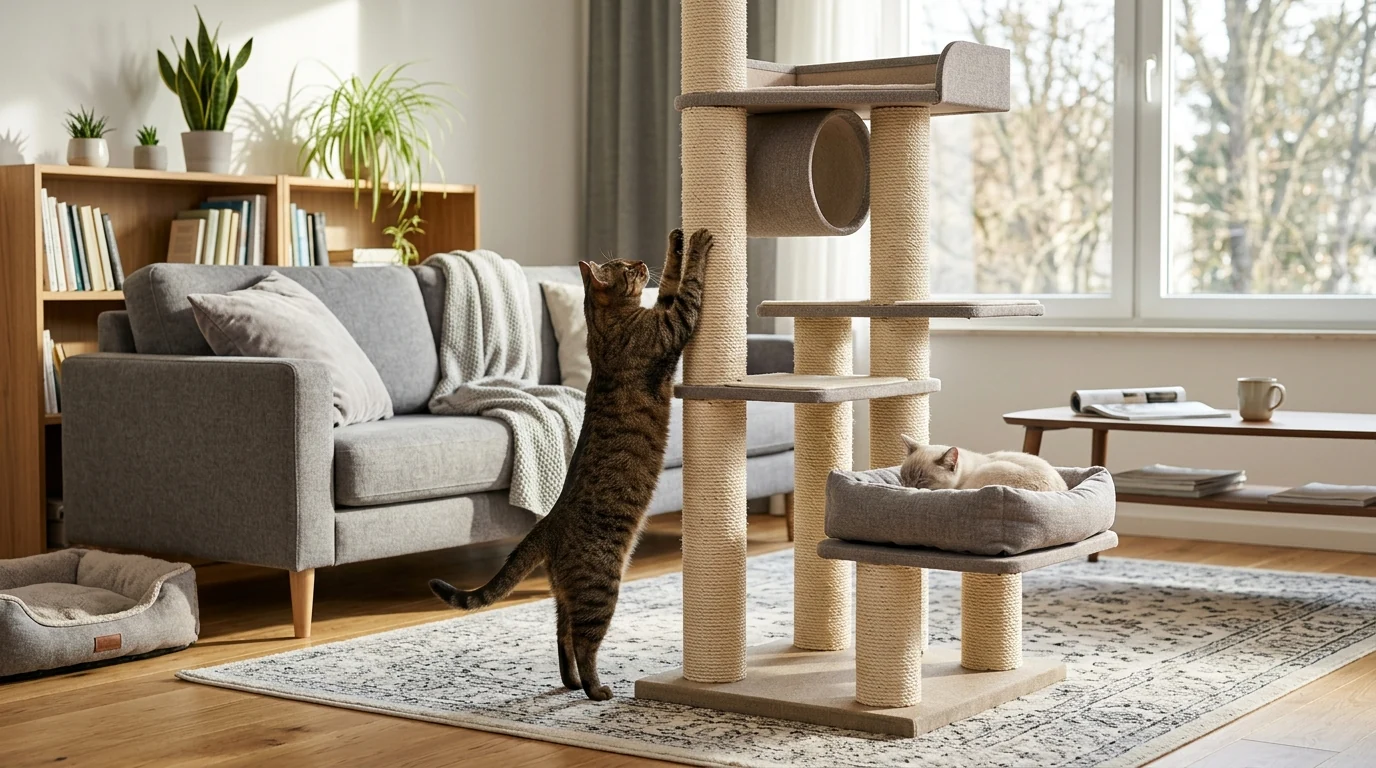
A sturdy scratching and climbing setup helps cats satisfy natural behaviors—scratching, stretching, perching, and short bursts of climbing—while reducing damage to furniture. The right structure becomes a daily “home base” for movement, relaxation, and routine claw care. Below are practical points to look for, where to place it, how to encourage consistent use, and how to keep the setup stable and clean over time. For more guidance, see Zonh Cat Tree Tower Kitty Climbing Frame Scratching Post Cat Play ….
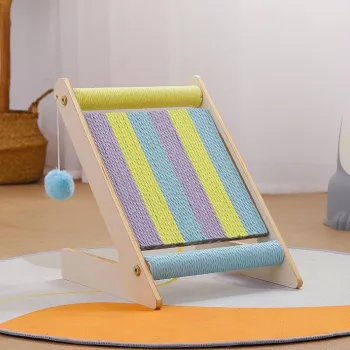
Scratching and climbing aren’t “bad habits”—they’re normal feline needs. When cats have an obvious, satisfying place to do them, the rest of the home is easier to protect. For further reading, see Milisten Cat Scratching Post Natural Linen Sturdy Cat Climbing ….
For more on the behavior behind scratching and how redirection works, the ASPCA’s guidance on cat scratching is a helpful reference.
Some designs look great but fail in daily use. The best setups feel solid under a cat’s weight and “grab” their claws with the right texture.
Environmental design matters for behavior, too. The AAFP Feline Environmental Needs Guidelines emphasize predictable resources (like scratching and resting areas) to support well-being.
One size rarely fits every cat. Use the guidance below to match the build to your cat’s age, energy level, and living space.
| Situation | Most important features | Placement tip |
|---|---|---|
| New cat settling in | Stable base, obvious scratch surface, one perch | Place near the cat’s main resting spot and a quiet corner |
| High-energy single cat | Taller post, multiple platforms, strong joints | Position where jumping paths are safe and unobstructed |
| Multi-cat home | More than one level, separate perches, sturdy build | Use near shared spaces to reduce competition for vertical spots |
| Apartment or small room | Compact footprint, vertical height, easy-to-clean surfaces | Put near a window or along a wall to maximize usable space |
Even the best scratching post can be ignored if it’s inconvenient. Placement should make scratching the “easy choice.”
If routines are hard to keep up with, a simple reminder system can help you stay consistent with play sessions, rewards, and weekly stability checks. The digital guide Using AI to Keep Your Pet Happy and Healthy is a practical option for organizing pet-care tasks and daily rhythms.
Aim for a post tall enough that your cat can fully stretch on hind legs with front paws reaching upward without hunching. Taller is usually better as long as the base is stable; large breeds and strong scratchers often do best with extra height plus a heavier, wider base.
Place it close to existing scratching hotspots and near places your cat naturally transitions into activity—like next to a sleeping area or a window. Keep it accessible along a regular route, and in multi-cat homes consider multiple stations in different rooms to reduce competition.
Choose a model with a wide, heavy base and a thicker post, then tighten all hardware regularly so joints stay rigid. Set it on a non-slip surface (or add a grippy mat), and if needed position it near a wall for added stability—especially for bigger cats or enthusiastic jumpers.



Leave a comment