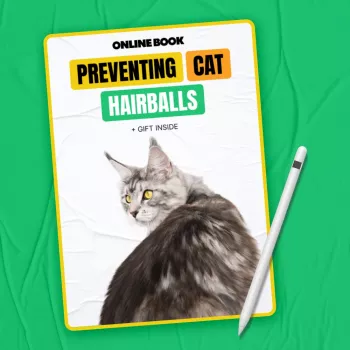
Hairballs are common in indoor cats, but frequent hacking, vomiting, or constipation can signal that grooming and digestion need support. A practical prevention plan combines smart brushing, hydration, diet tweaks, and a few home-environment changes that reduce shedding and help swallowed hair pass comfortably.
Cats swallow loose fur during normal self-grooming. Most of that hair moves through the digestive tract unnoticed, but when too much collects in the stomach, it can form a hairball that gets vomited up. Prevention is less about stopping grooming and more about reducing how much loose fur is available to swallow while supporting healthy gut movement.
Indoor cats often shed year-round because home temperatures and lighting stay relatively stable. That “steady shed” can increase the amount of loose hair on the coat, bedding, and furniture—meaning more opportunities to ingest fur during routine licking.
Some cats are simply more prone to recurring hairballs: long-haired and double-coated breeds, senior cats that groom less efficiently, and cats that over-groom due to stress or itchy skin. Occasional hairballs can be normal, but repeated episodes paired with appetite changes, weight loss, lethargy, or coughing that only sounds like a hairball can point to other issues that need veterinary guidance. For a veterinary overview, see Cornell Feline Health Center’s hairball guidance.
The most effective grooming routine is the one that’s easy to repeat. Instead of marathon brushing sessions, aim for short, predictable check-ins that keep loose fur moving off the coat before your cat swallows it.
Two to five minutes is plenty. Stop before your cat becomes overstimulated (tail flicking, skin twitching, ears back). Pair brushing with a predictable cue—same chair, same time of day—and reinforce calm cooperation with a small treat or lick mat.
Target areas that collect loose fur: the chest ruff, belly edges, behind the front legs, and along the back near the base of the tail. Use a light hand and avoid scraping the skin, especially if your cat has dandruff or sensitivity.
Mats, dandruff, flea allergy, or redness can drive extra licking and fur ingestion. If you notice persistent flakes, bald patches, scabs, or ongoing itch, schedule a vet visit to address the root cause instead of only treating the hairballs.
| Coat type | Baseline brushing | During heavy shedding | Notes |
|---|---|---|---|
| Short-haired | 2–3x per week | Daily 2–3 minutes | Rubber brush can lift loose fur without pulling |
| Medium-haired | 3–4x per week | Daily 3–5 minutes | Add a comb pass to prevent tangles |
| Long-haired | Daily 5 minutes | Daily + targeted combing | Prioritize gentle de-matting; avoid yanking |
| Cats that dislike brushing | 1–2 minutes daily | Keep it short and reward | Pair with treats/lick mat; build tolerance |
If appetite suddenly drops, vomiting isn’t clearly tied to hairballs, or constipation lasts more than a day, act quickly—there’s a risk of blockage that needs prompt evaluation. For context on obstruction warning signs, review the Merck Veterinary Manual overview of gastrointestinal obstruction.
Occasional hairballs can be normal, but weekly (or more frequent) hairballs, repeated retching with nothing produced, appetite changes, constipation, or lethargy should prompt veterinary advice because other conditions can mimic hairballs.
Some products can help lubricate or support hair passage, but brushing, hydration, and appropriate diet changes usually make the biggest difference. Use hairball remedies only as directed on the label and ask a vet before using them for kittens, seniors, or cats with medical conditions.
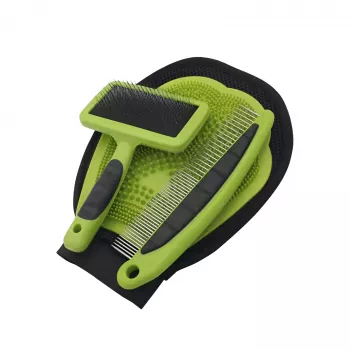
The best brush depends on coat type and sensitivity: rubber brushes work well for many short-haired cats, while slickers and a wide-tooth comb help longer coats. Keep sessions short, use gentle pressure, and build tolerance with rewards.




Leave a comment