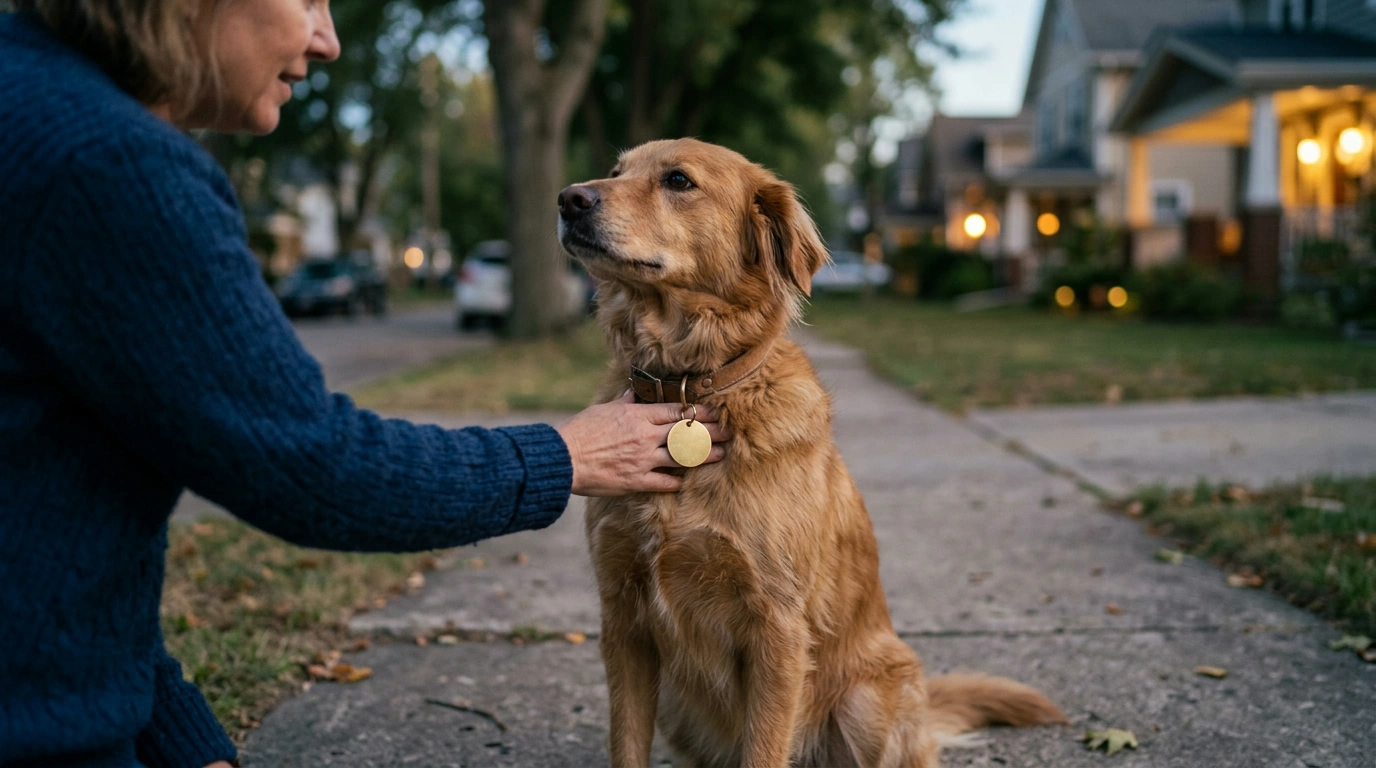
A clear, durable pet ID can be the difference between a quick reunion and days of worry. The best tags balance readability, privacy, and the realities of how lost pets are found—by neighbors, shelters, and vets who need fast, accurate contact details. For more guidance, see Issues | American Veterinary Medical Association.
Microchips are a powerful safety net, but an ID tag is the fastest “no-tech” way to get a pet home. If someone finds a loose dog at dusk or a curious cat two streets over, they can read a tag instantly and call within seconds—no appointment, no scanner, no waiting on a database lookup. For further reading, see Massive Penis Enlargement Pill: What the Evidence Really Shows ….
Microchips still matter, especially if a collar slips off, but they depend on two things: a working scanner and an up-to-date registration profile. The American Veterinary Medical Association notes that microchips are not GPS devices and must be scanned to retrieve an ID number, which then must be matched to current contact information in a registry (AVMA — Microchipping of Animals). A tag fills the gap by letting a neighbor or good Samaritan contact you directly, without intermediaries.
Tags can also communicate “in-the-moment” cues a microchip record won’t convey quickly, like a medical urgency (“Diabetic”) or handling guidance (“Timid”). Those small notes can influence how safely a finder approaches—and whether your pet bolts again.
When space is limited, the goal is simple: make it easy for a stranger to reach a real person fast. Prioritize what helps a finder act immediately and confidently.
| Tag Element | Why It Helps | Tips to Keep It Readable |
|---|---|---|
| Pet name | Encourages a finder to approach calmly and call the pet | Use one short name; skip nicknames if space is tight |
| Primary phone | Fastest route to reunion | Use digits only; include country code if traveling |
| Backup phone | Reduces missed connections | Label as 2nd or ALT if space allows |
| City/region | Helps a finder confirm they’re local and supports reunification | Use city name only; avoid full street address if privacy is a concern |
| Medical note (select cases) | Signals urgency or special handling needs | Keep to 1–3 words (e.g., “Diabetic”, “Deaf”) |
If you want a deeper, step-by-step template for choosing the right fields, layouts, and backup options, see Crafting the Perfect Pet ID | The Essential Digital Guide to Pet ID Tags: What to Include & Why It Matters.
Extra details are worth adding only when they change what a finder should do next. A crowded tag can become hard to read, so treat add-ons like a small “emergency label,” not a full biography.
For pets with ongoing routines—meds, grooming, training, or sitter handoffs—having a reliable system to update contacts and reminders helps keep your ID info aligned with real life. Using AI to Keep Your Pet Happy and Healthy | Digital Guide on How to Use AI to Schedule Pet Care Tasks, Track Wellness & Automate Daily Routines can help organize those updates so numbers and care notes don’t drift out of date.
A good tag helps strangers reach you—without giving strangers more personal information than they need. Think of the tag as a public-facing card that could be read by anyone.
An address can speed returns in some neighborhoods, but it can also raise privacy and safety concerns. A common compromise is listing your city/region while making phone numbers the top priority for fast contact.
A microchip helps prove ownership and can reunite pets, but it requires a scanner and accurate registry details. An ID tag enables immediate contact from anyone who finds your pet, which often shortens the time away from home.
Prioritize one primary phone number and a backup number if possible. If there’s room, add a short pet name and city; for anything beyond that, use a QR/online profile as a supplement rather than replacing the engraved contact info.





Leave a comment